
As short-form video commerce becomes a primary traffic channel, AI e-commerce video generators have evolved from “creative assistant tools” into core productivity infrastructure. According to the DataReportal 2024 Global Digital Report (https://datareportal.com/reports/digital-2024-global-overview-report), short-form video remains one of the fastest-growing content formats in terms of social media usage time. Meanwhile, TikTok For Business (https://ads.tiktok.com/business/en) clearly emphasizes that the first 3 seconds and a strong, clear CTA are critical for high-converting ads. Against this backdrop, e-commerce sellers are increasingly asking one key question: which AI video generation tool is actually suitable for creating product-selling videos?
Over the past period, I tested Sora2, Seedance2.0, and Shopshot using the same benchmark: generating a 15-second, 9:16 vertical e-commerce product video. I evaluated them based on generation speed, usability, conversion-structure compatibility, and scalability. The analysis below is based on hands-on experience combined with publicly available information, with the goal of helping sellers make more rational decisions.
Let’s start with Sora2. As a general-purpose video generation model released by OpenAI (official information: https://openai.com/sora), Sora2’s strengths are obvious: strong visual realism, natural camera movement, and rich lighting details. In testing, generating a 15-second video typically took around 10–20 minutes, which is relatively efficient compared to similar models. However, its core limitation lies in its general-purpose design. Sora2 is not specifically built for e-commerce conversion. If you input a simple description, it will often generate a visually appealing video — but not necessarily one structured to sell. To produce a truly ad-ready asset, I had to first break down viral video structures, including a strong hook in the first 2 seconds, product texture close-ups, emotionally reinforcing captions, and a clear CTA. I then embedded this structure into detailed prompts and refined them through multiple iterations. As a result, Sora2 is better suited for users with prompt engineering skills and a solid understanding of video conversion structure. If you are familiar with DTC ad frameworks, it offers high creative freedom. But for beginner sellers, the learning curve can be significant.

Next is Seedance2.0. During testing, its video generation time was comparatively long. A single 15-second video could take an extended period to complete, which presents an efficiency challenge for sellers who need to test creatives rapidly. The essence of e-commerce advertising is fast iteration: test multiple creatives → identify high-converting assets → scale quickly. If asset generation takes too long, the entire optimization cycle slows down. Additionally, Seedance2.0 does not include built-in e-commerce conversion logic. Scripts must be prepared manually, and the output leans more toward creative generation rather than sales optimization. From an overall experience perspective, it feels more like an experimental AI creation tool than a commercially optimized ad production system designed specifically for TikTok or independent store sellers. If your goal is artistic expression or creative experimentation, it can serve as an exploratory tool. However, for those prioritizing advertising efficiency and scalable testing, it is less competitive.

In contrast to the first two tools, Shopshot(https://www.shopshot.top?utm_source=google) is clearly designed with e-commerce conversion scenarios in mind. The workflow is simplified: upload a product image, enter the product name, and within approximately 5 minutes, a complete product-selling video is generated. The system automatically constructs the hook, designs product texture shots, adds emotionally driven captions, inserts a CTA, and optimizes the format for 9:16 vertical platforms. The logic behind this design is to systematically embed viral video structure into the generation model rather than requiring users to reverse-engineer it themselves. According to HubSpot’s video marketing statistics, video marketing has become standard practice for businesses, and what drives conversion is often structure and pacing — not just visual quality. Shopshot’s advantage lies in prioritizing e-commerce ad structure as its core design principle rather than simply generating video content.
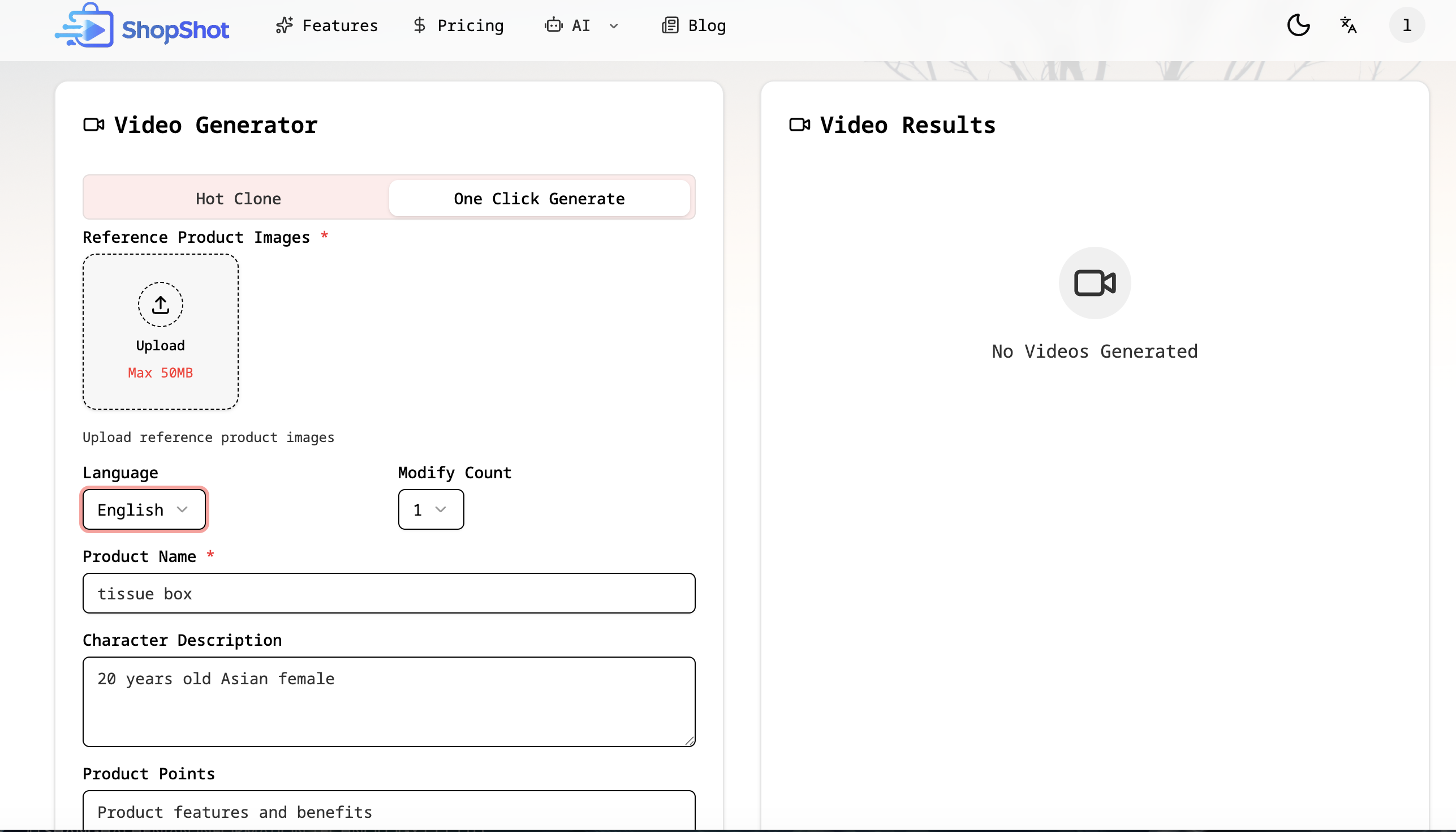
From a scalability perspective, this level of automation is particularly important. Cross-border sellers often need to test multiple SKUs simultaneously. If each video requires repeated prompt refinement, the efficiency cost becomes high. Built-in conversion logic means that even sellers without video production experience can quickly produce test-ready creatives. Of course, the effectiveness of any AI-generated asset should ultimately be validated through real advertising data, and platform advertising policies should always be reviewed independently (for example, TikTok’s creative guidelines: https://ads.tiktok.com/help/article/ad-creative-guidelines). However, from a workflow standpoint, the higher the automation level, the more conducive it is to scalable operations. Below is the video generated by Shopshot.

In summary, if your goal is creative expression or high degrees of cinematic control, Sora2 provides strong generation capabilities. If you are focused on experimental content exploration, Seedance2.0 can be considered. But if your core objective is e-commerce conversion, rapid creative testing, and improved ROI, then a solution with built-in selling structure, low entry barriers, and high efficiency offers greater practical value.
When choosing an AI e-commerce video generator, it is advisable to prioritize three key factors: first, whether the generation speed supports high-frequency testing; second, whether the tool includes built-in conversion structure; and third, whether it enables scalable production. In e-commerce, video is not an art piece — it is a sales tool. Visual quality matters, but conversion logic matters more.
Finally, it is important to note that AI tools evolve rapidly. Features, pricing, and generation performance may change over time. This article is based on current publicly available information and hands-on testing experience and is intended for reference only. Before committing significant resources, conducting small-scale testing to ensure alignment with your business needs is strongly recommended.
If you are searching for the “best AI e-commerce video generator in 2026” or “AI video tools for TikTok ads,” hopefully this comparison provides clarity: ultimately, success is not determined by model parameters, but by whether the tool aligns with your commercial objectives.